Work-in-progress, 2025
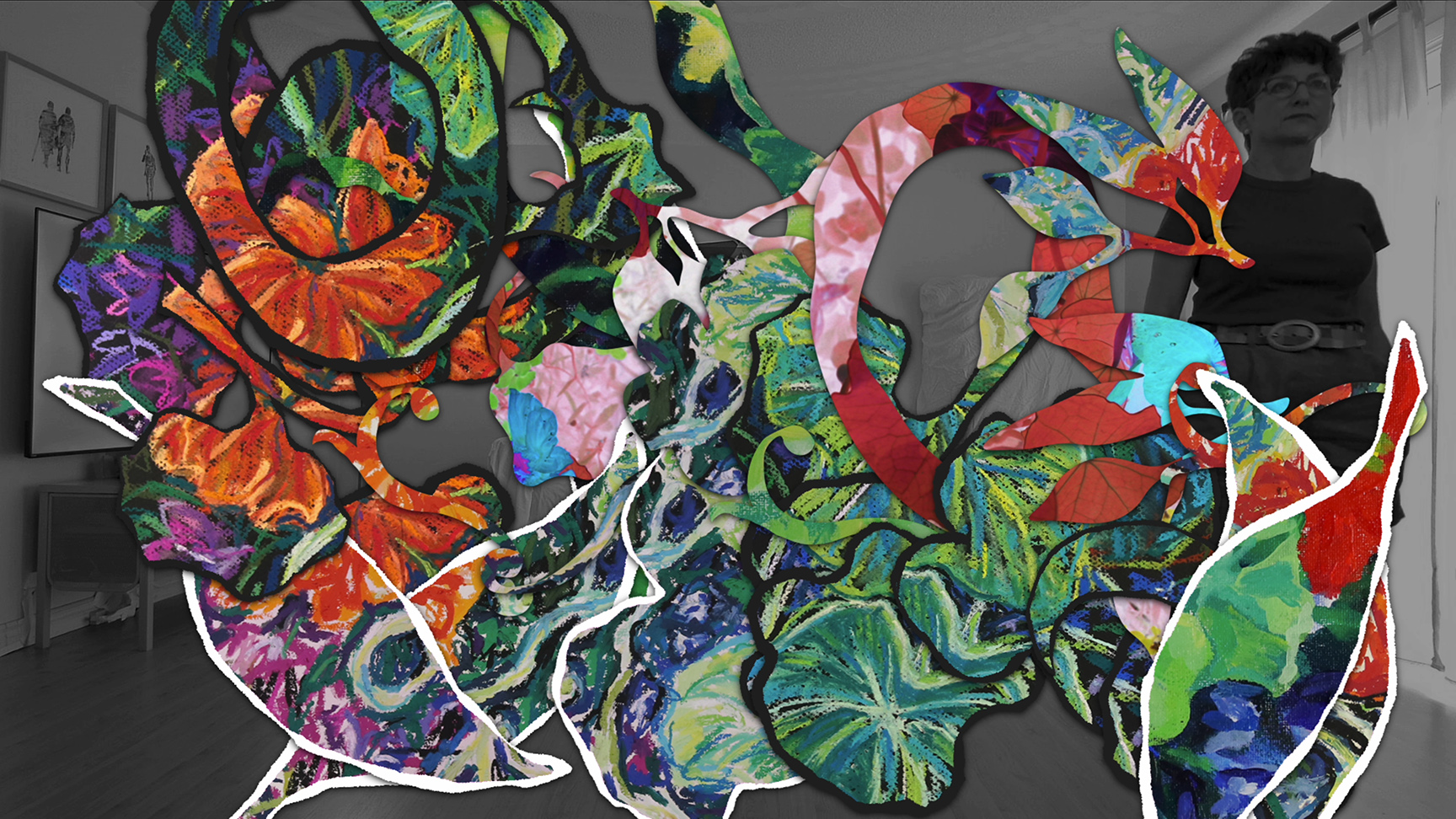
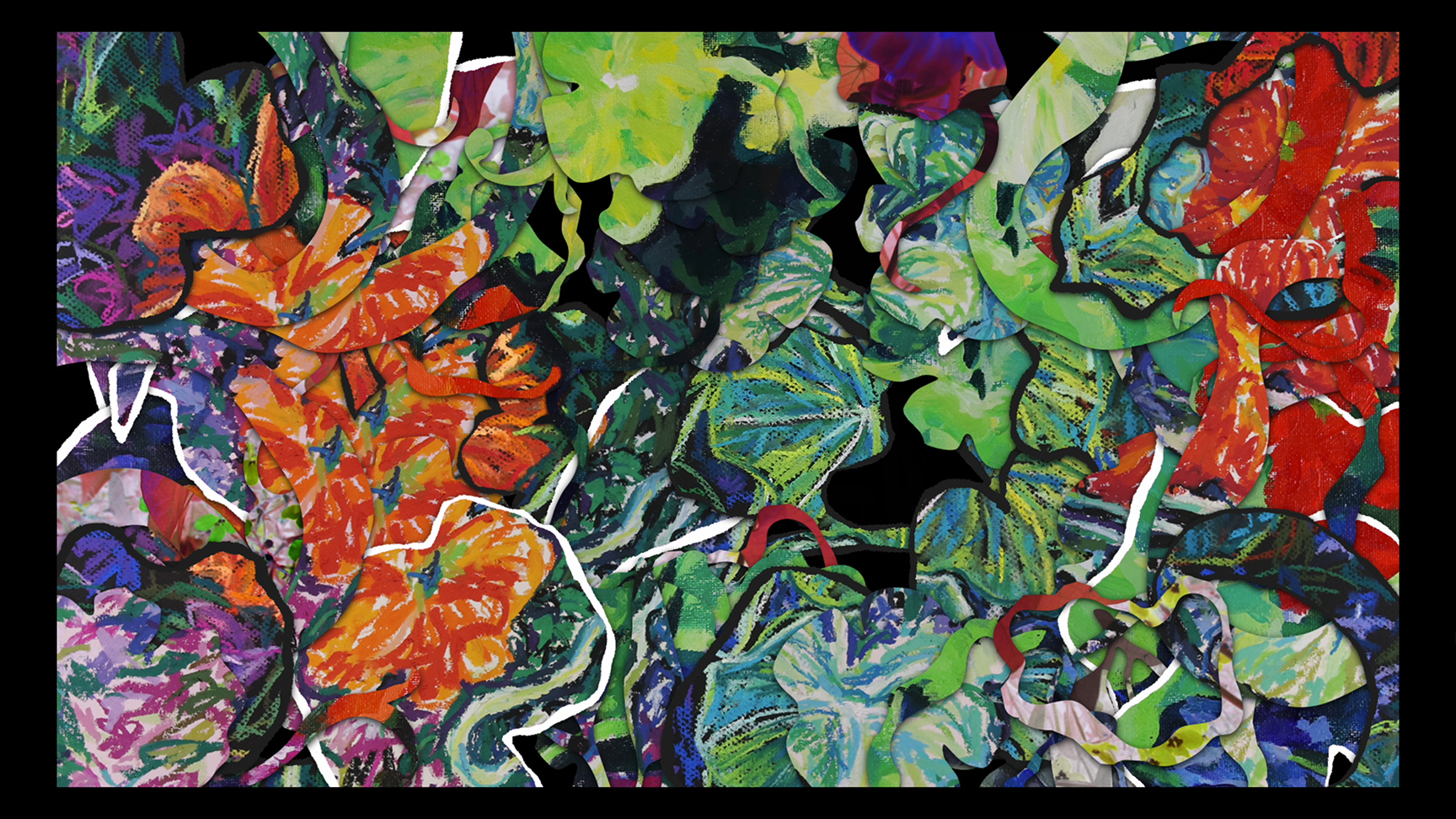
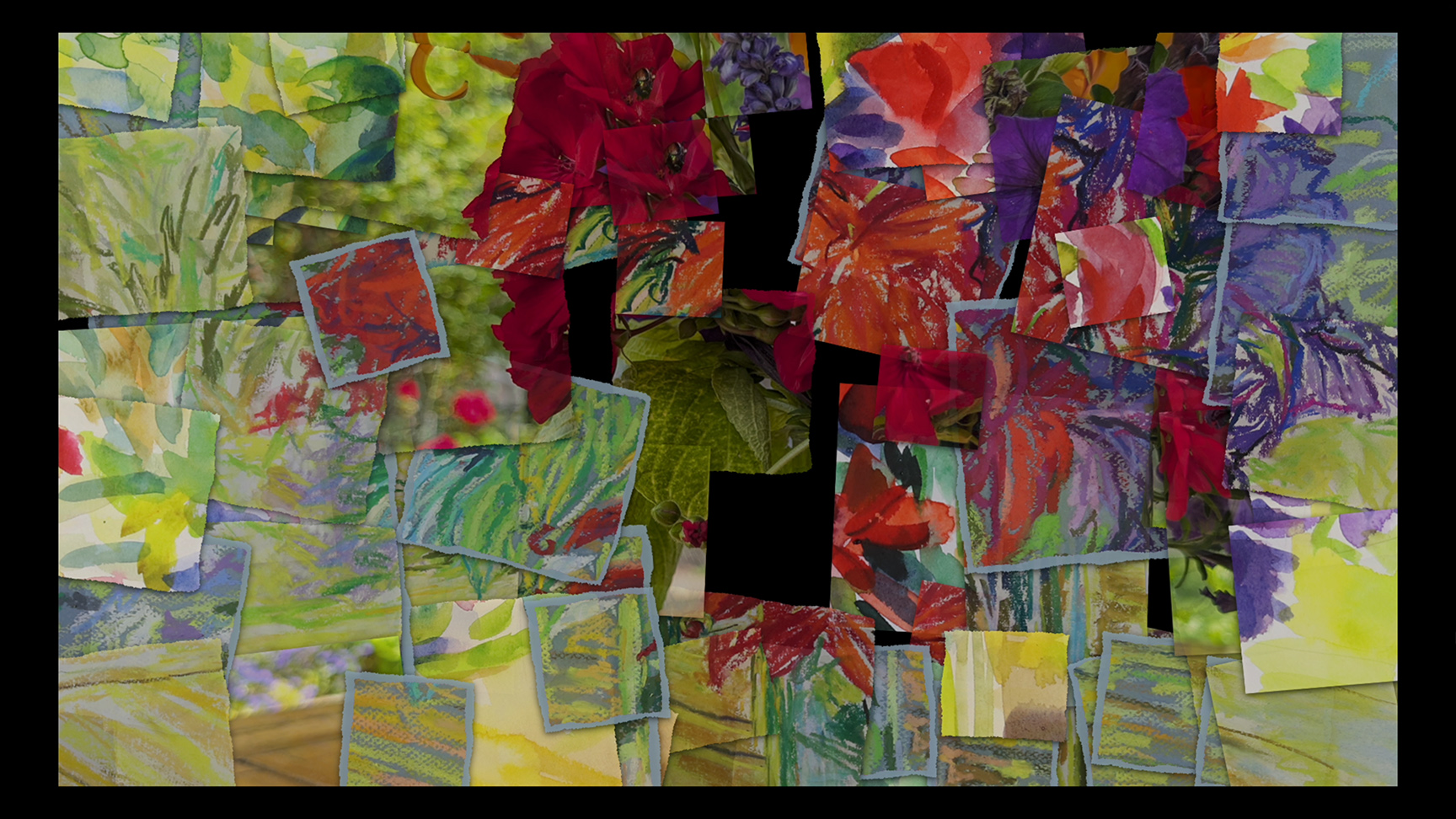
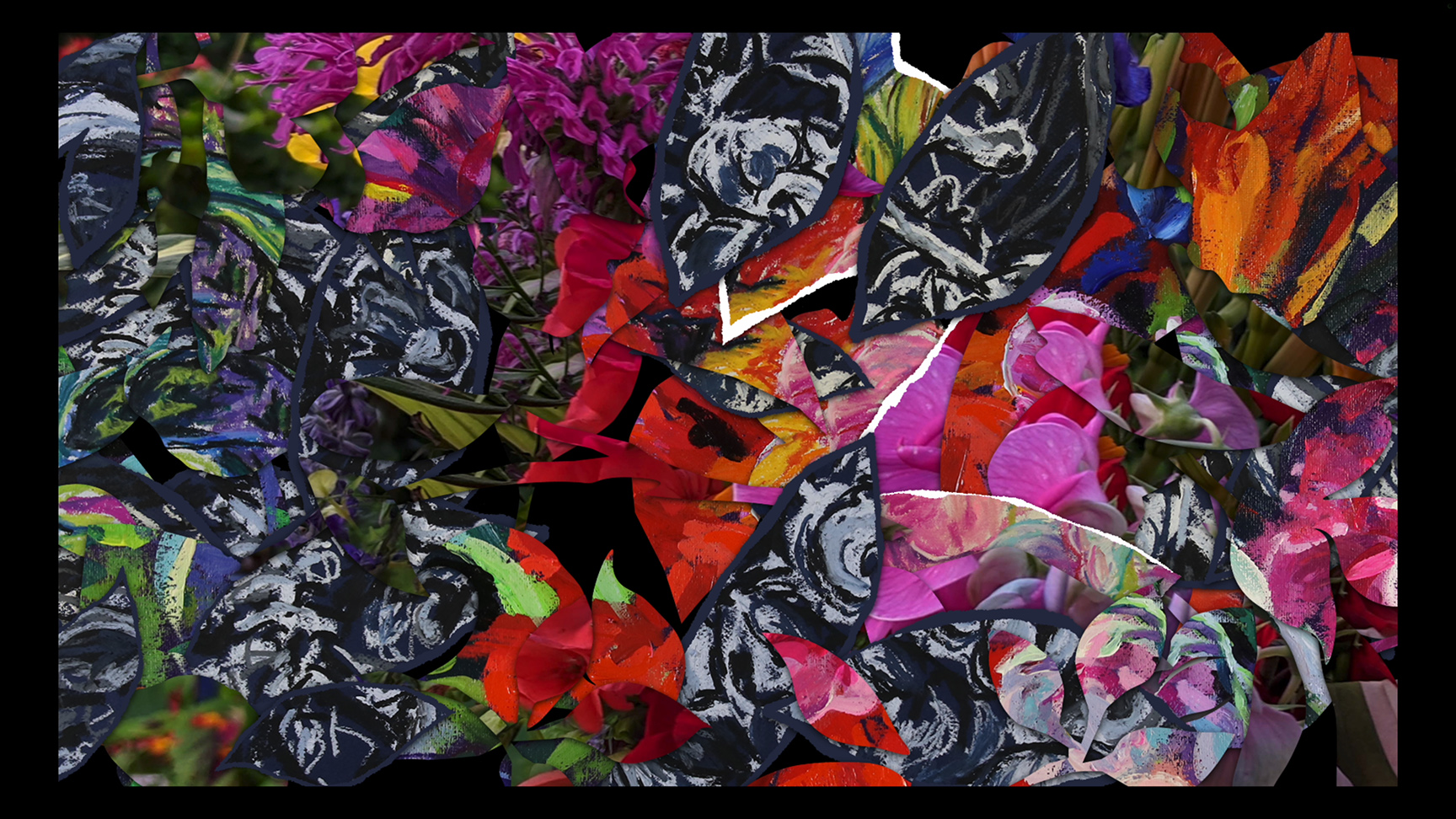
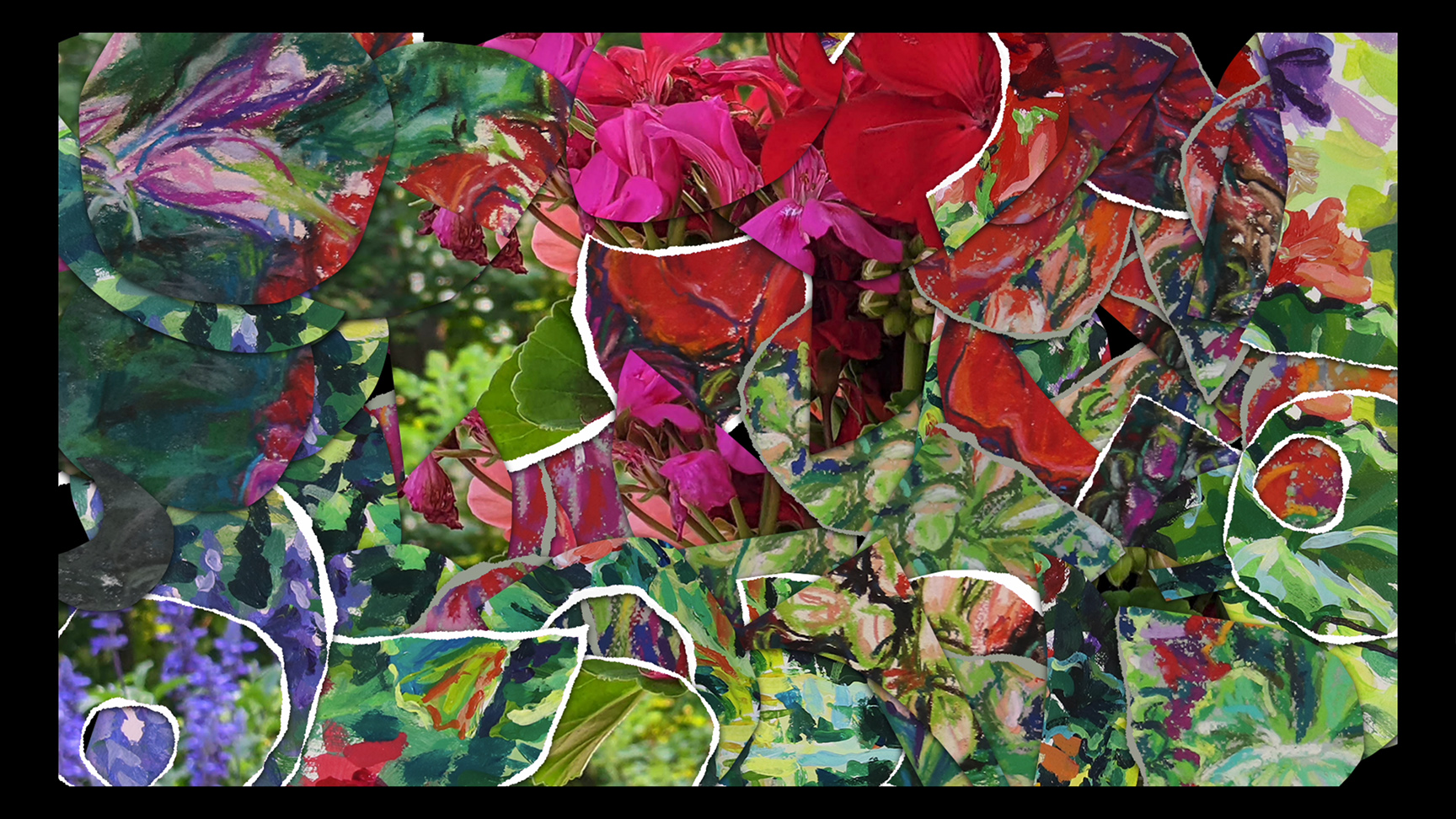
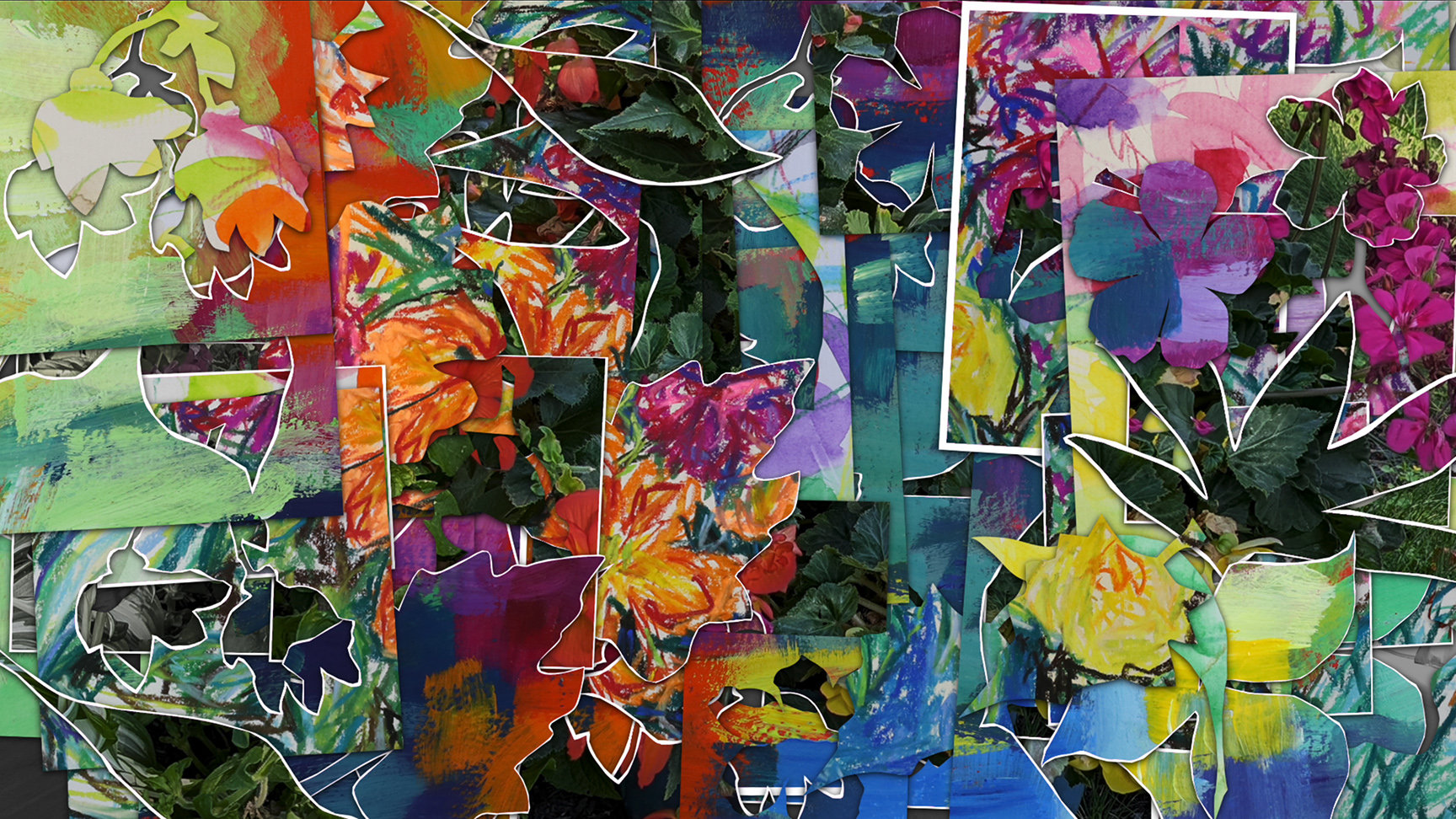
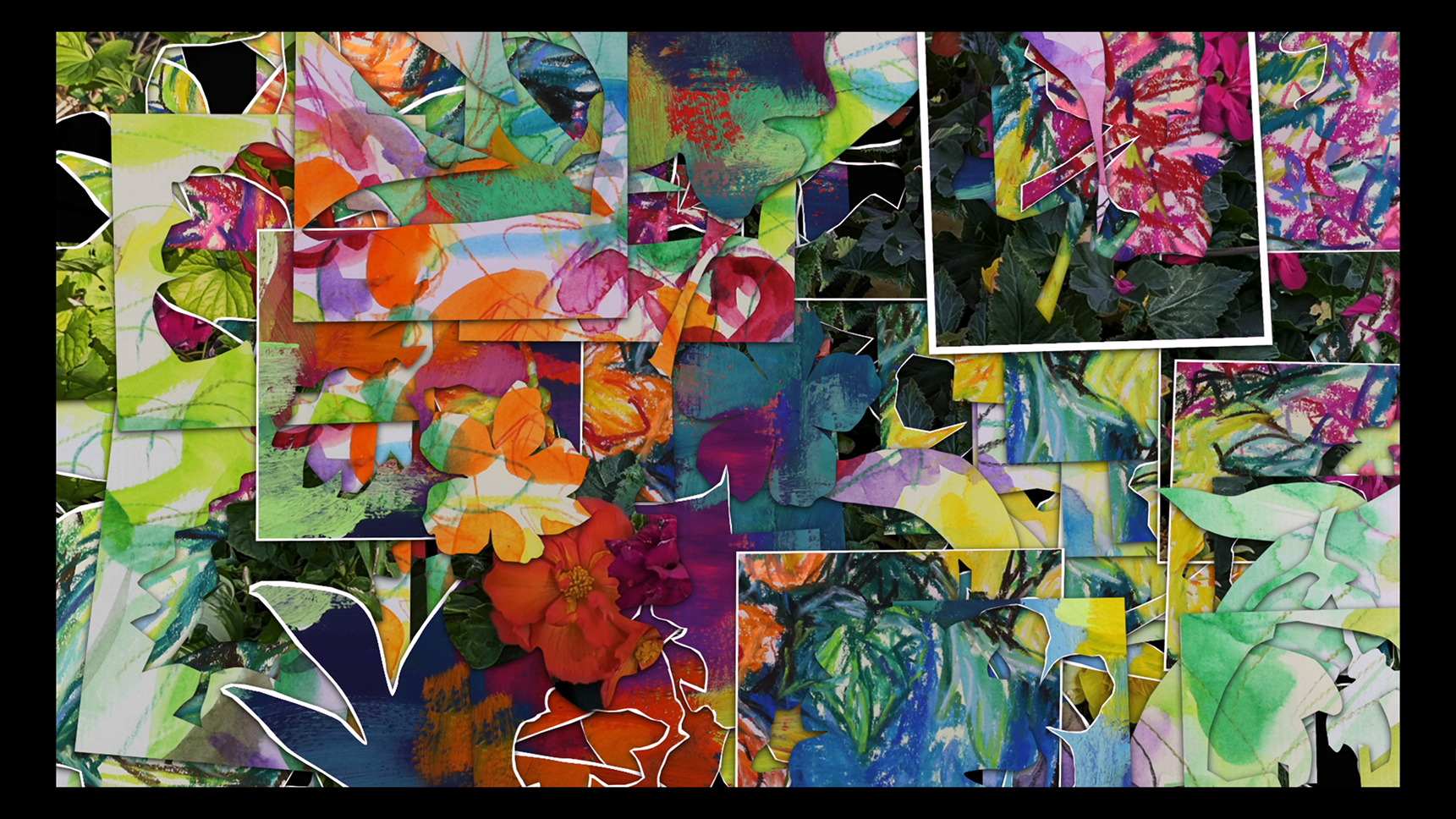
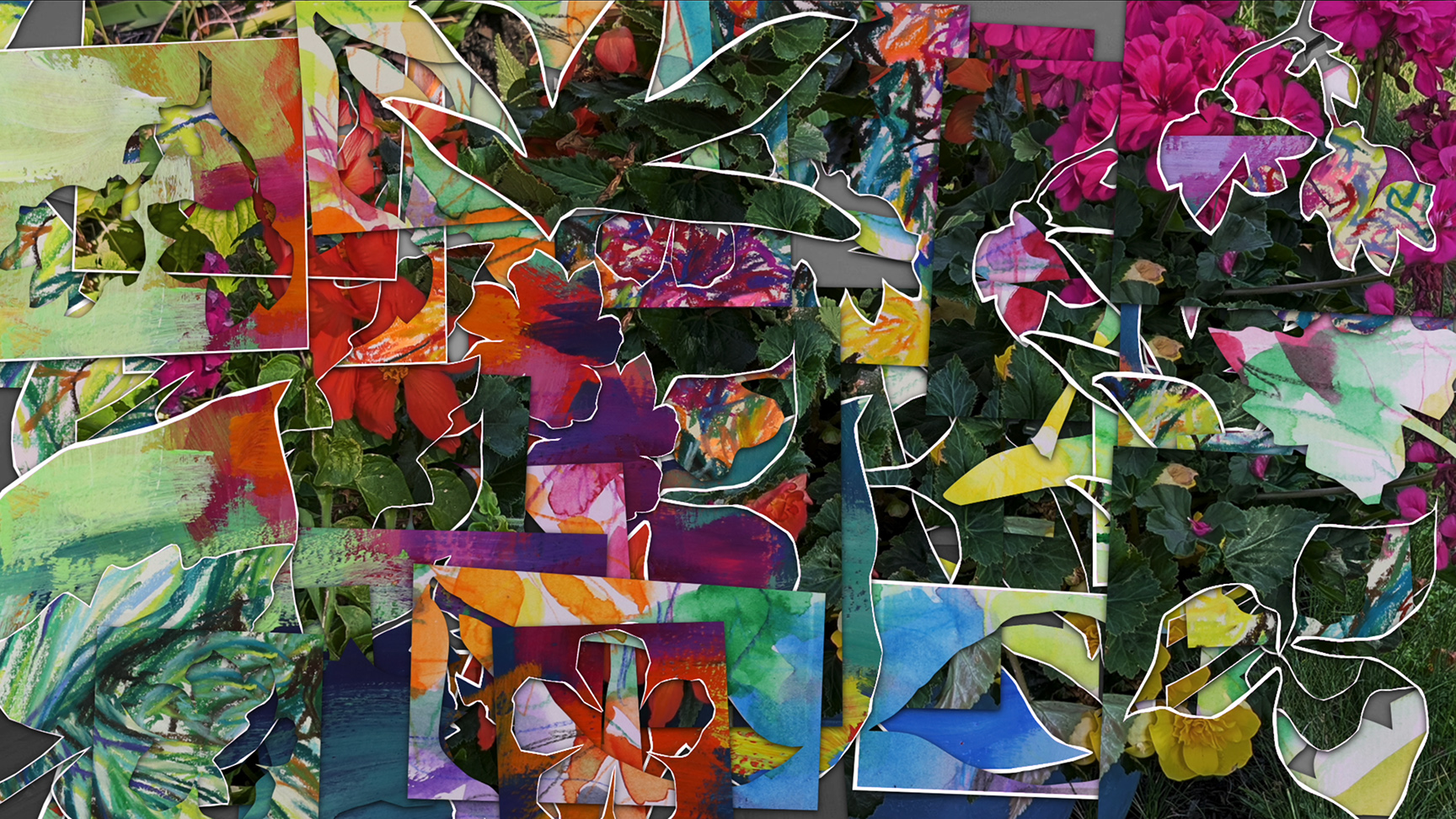
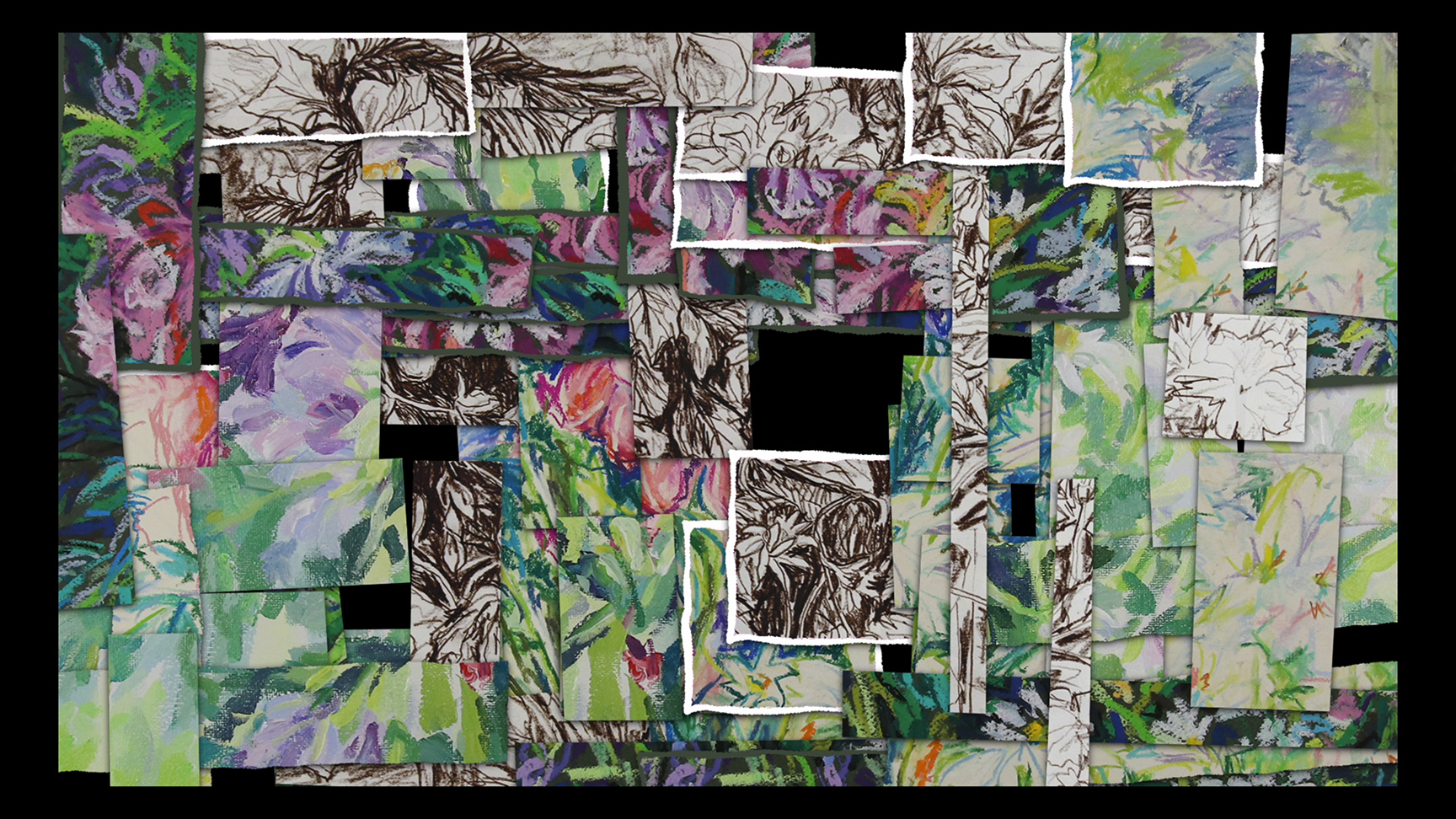
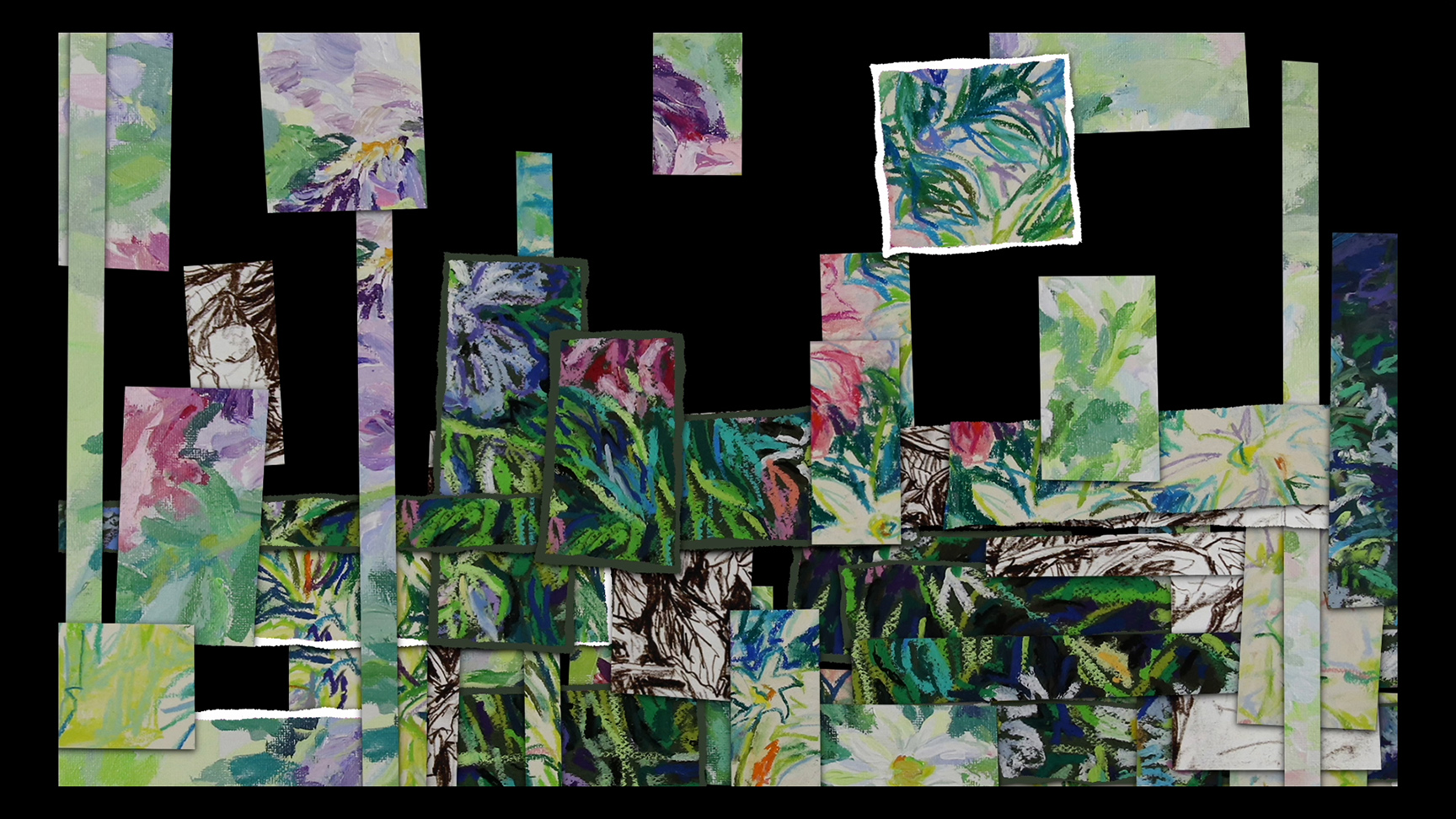
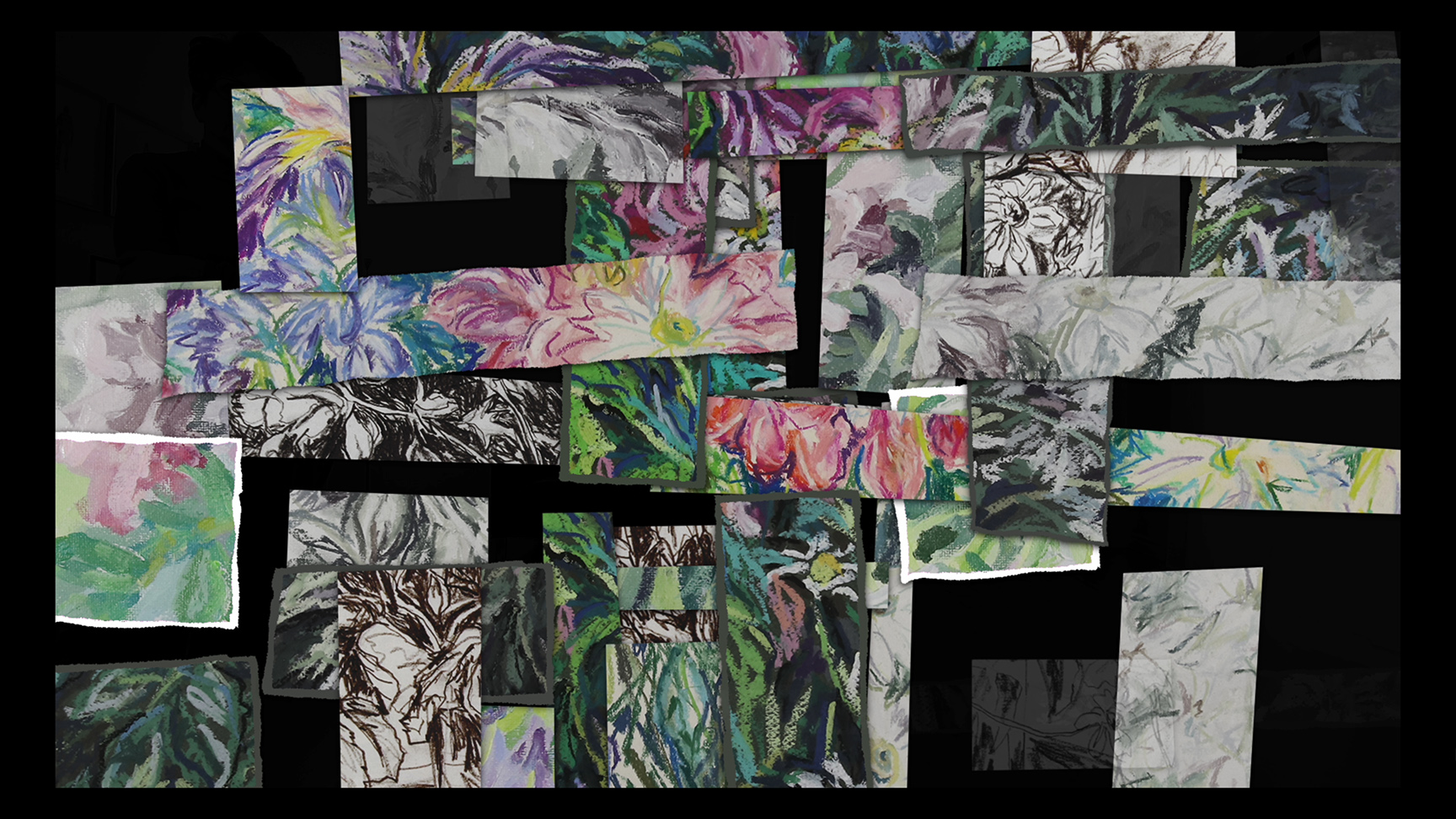
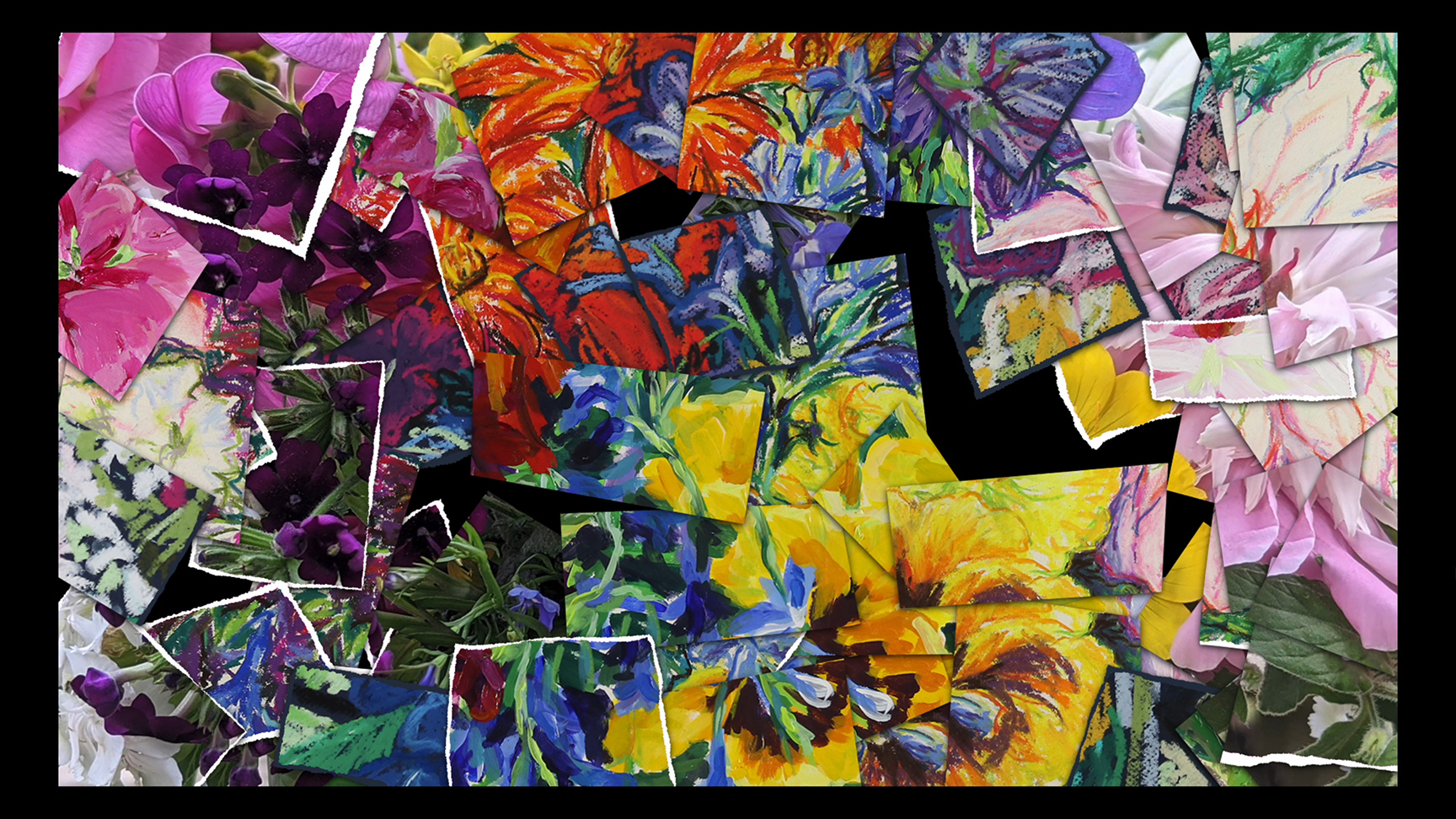
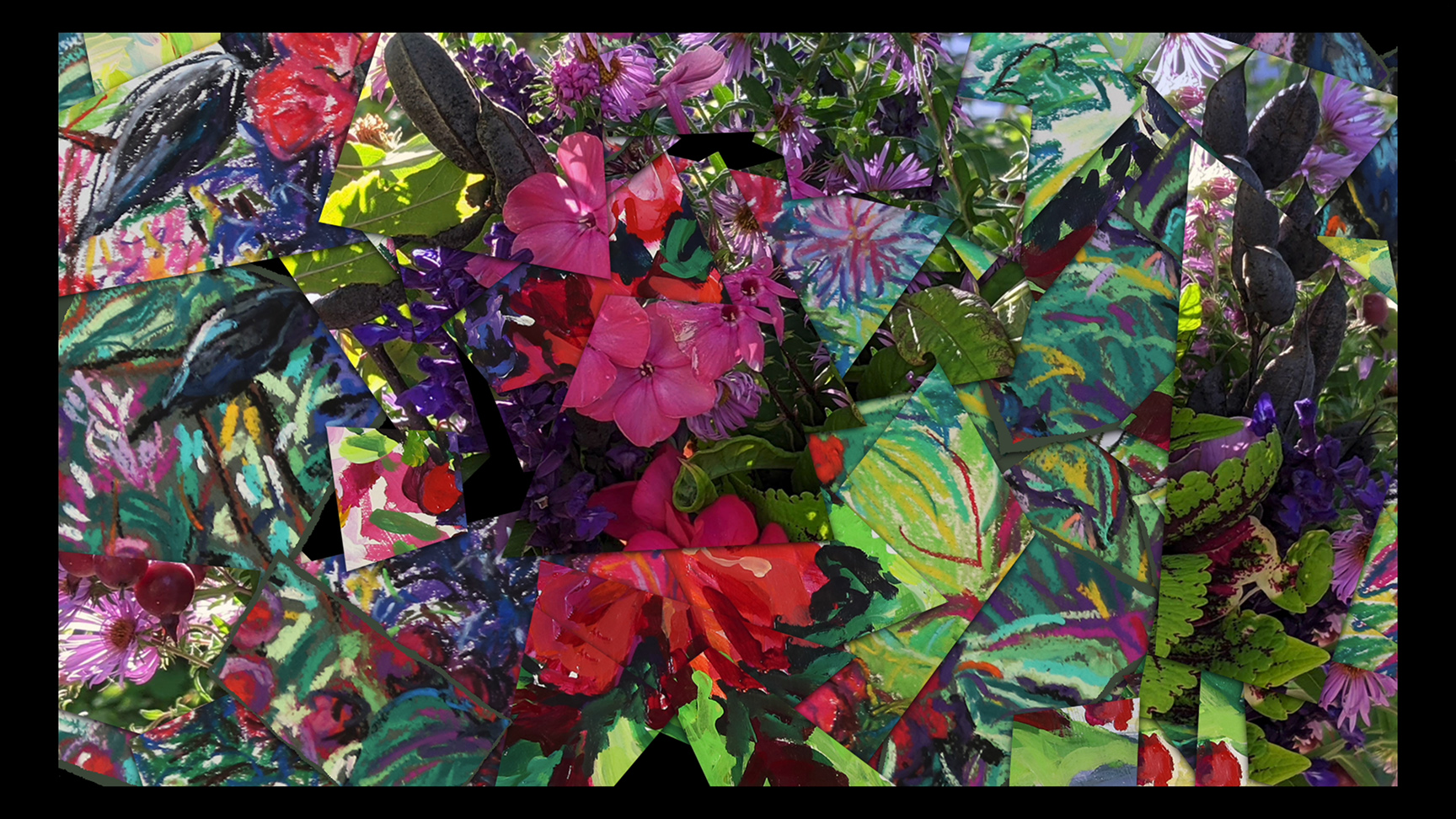
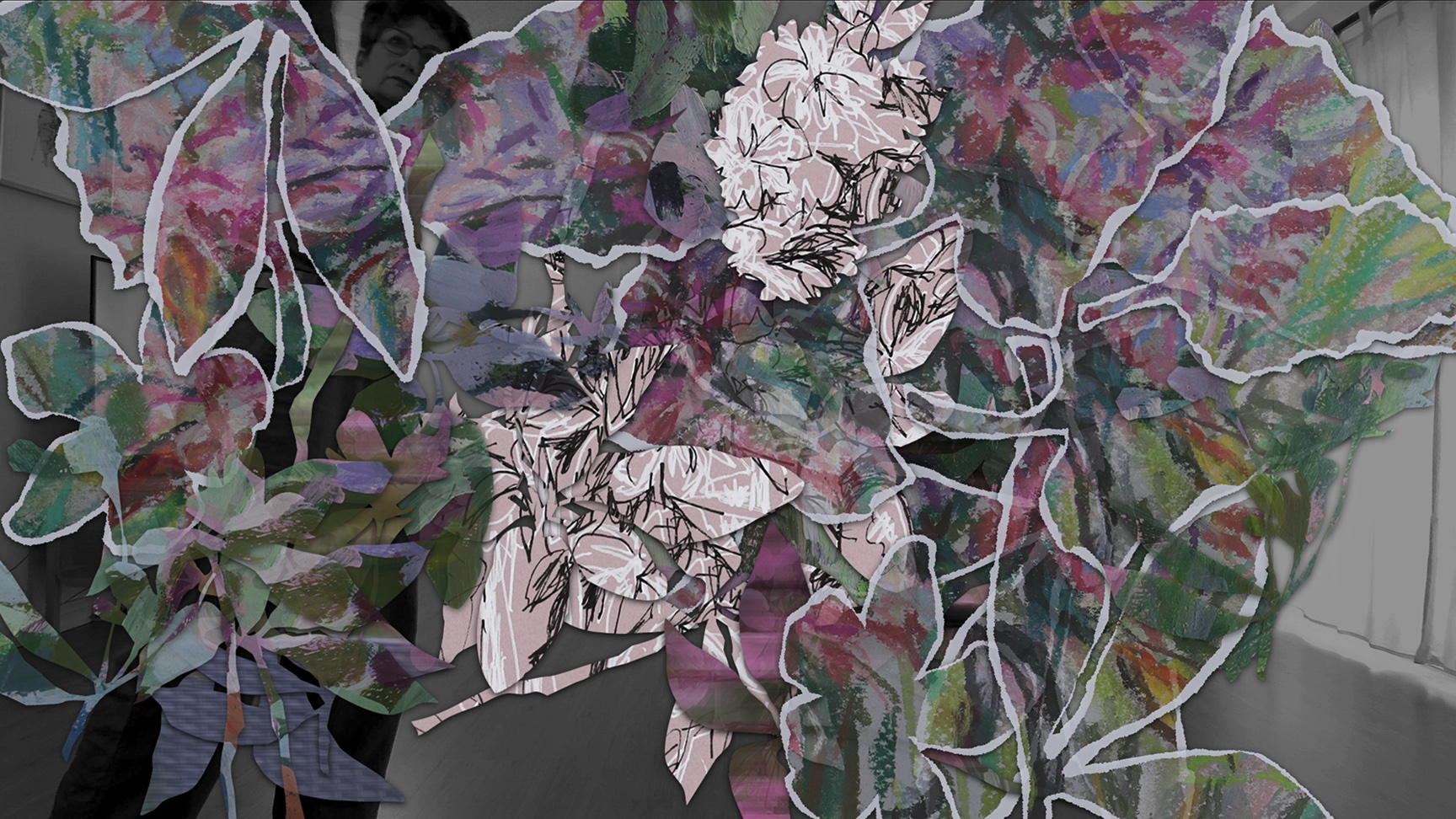
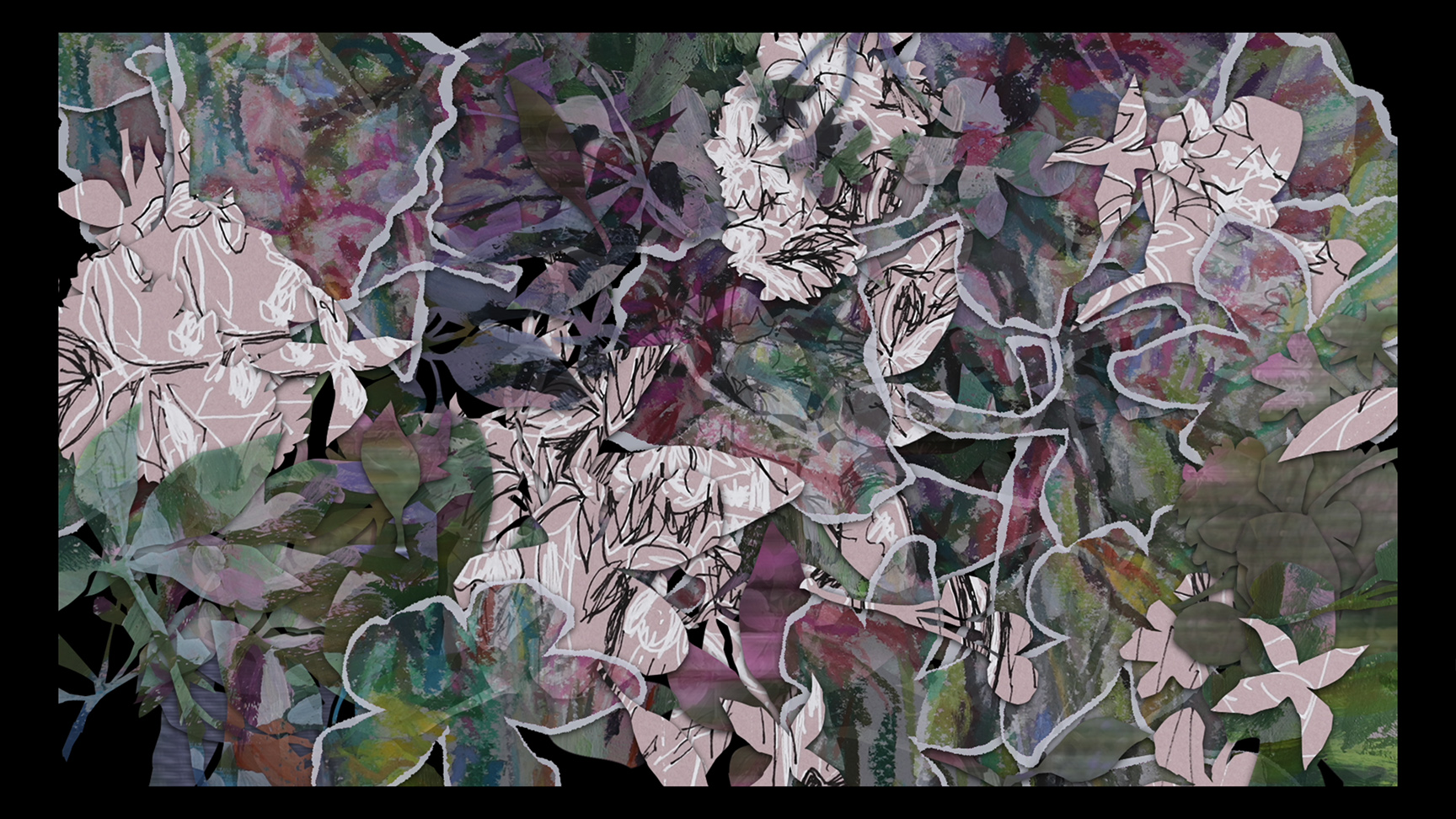
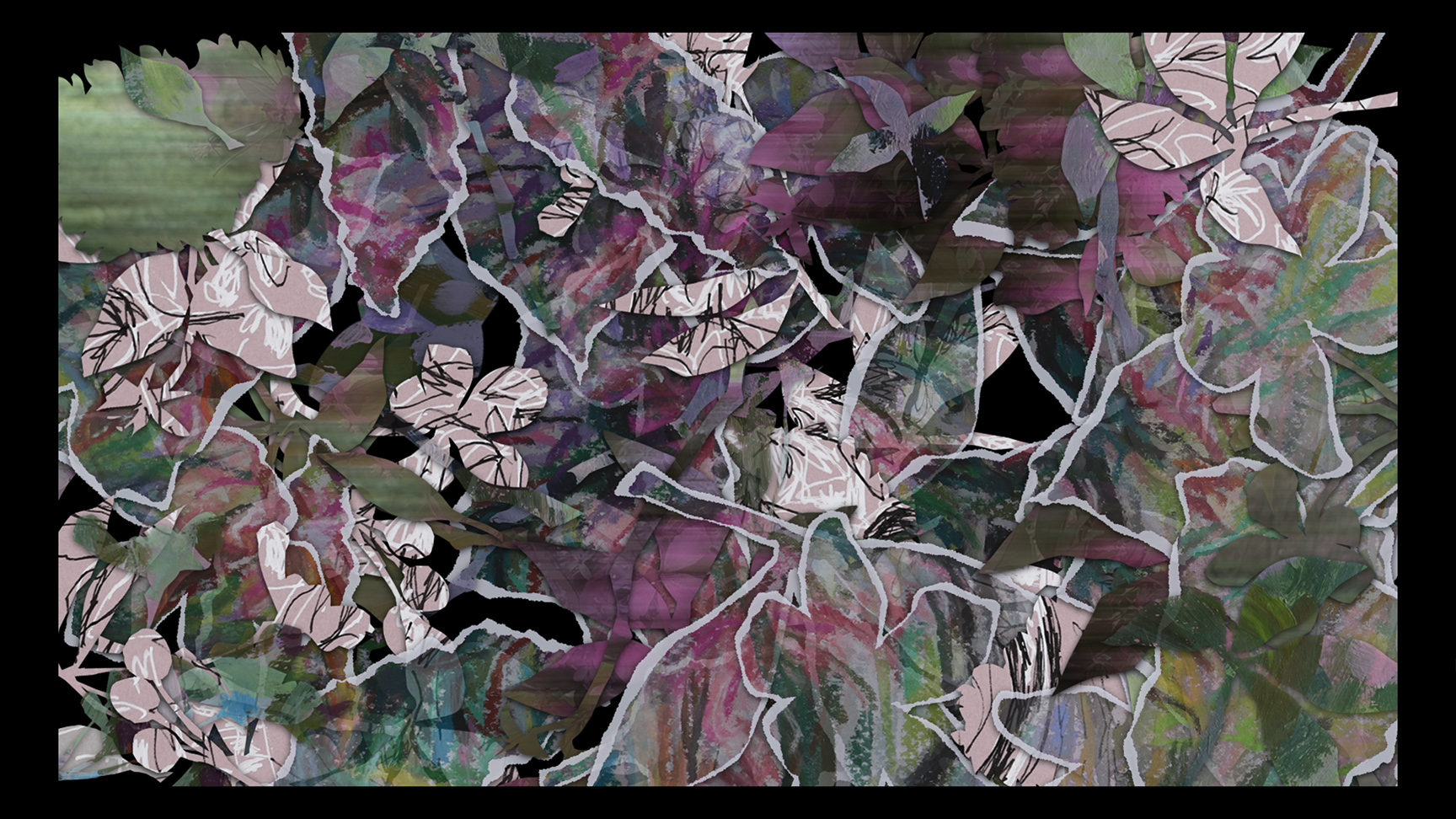
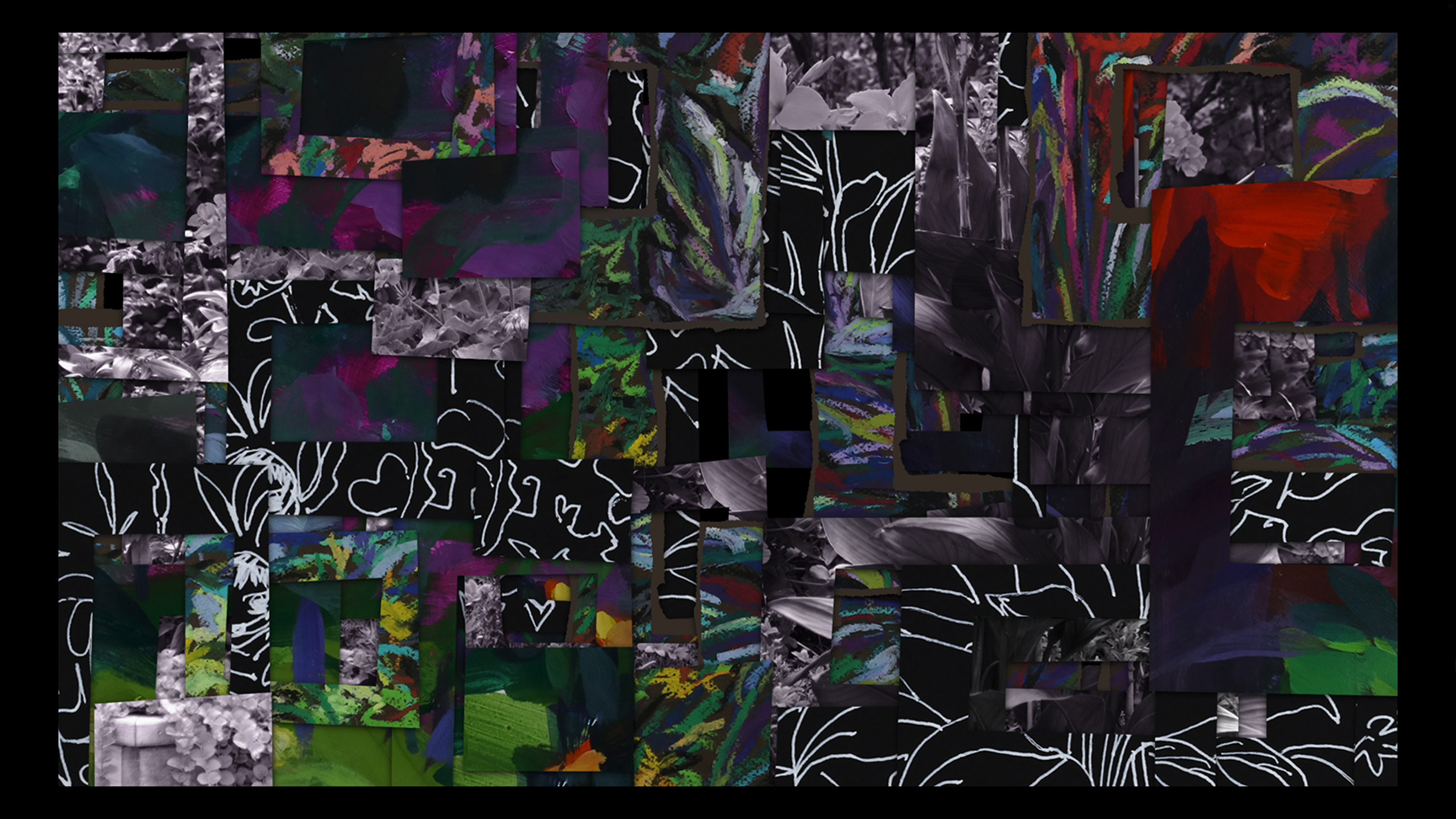
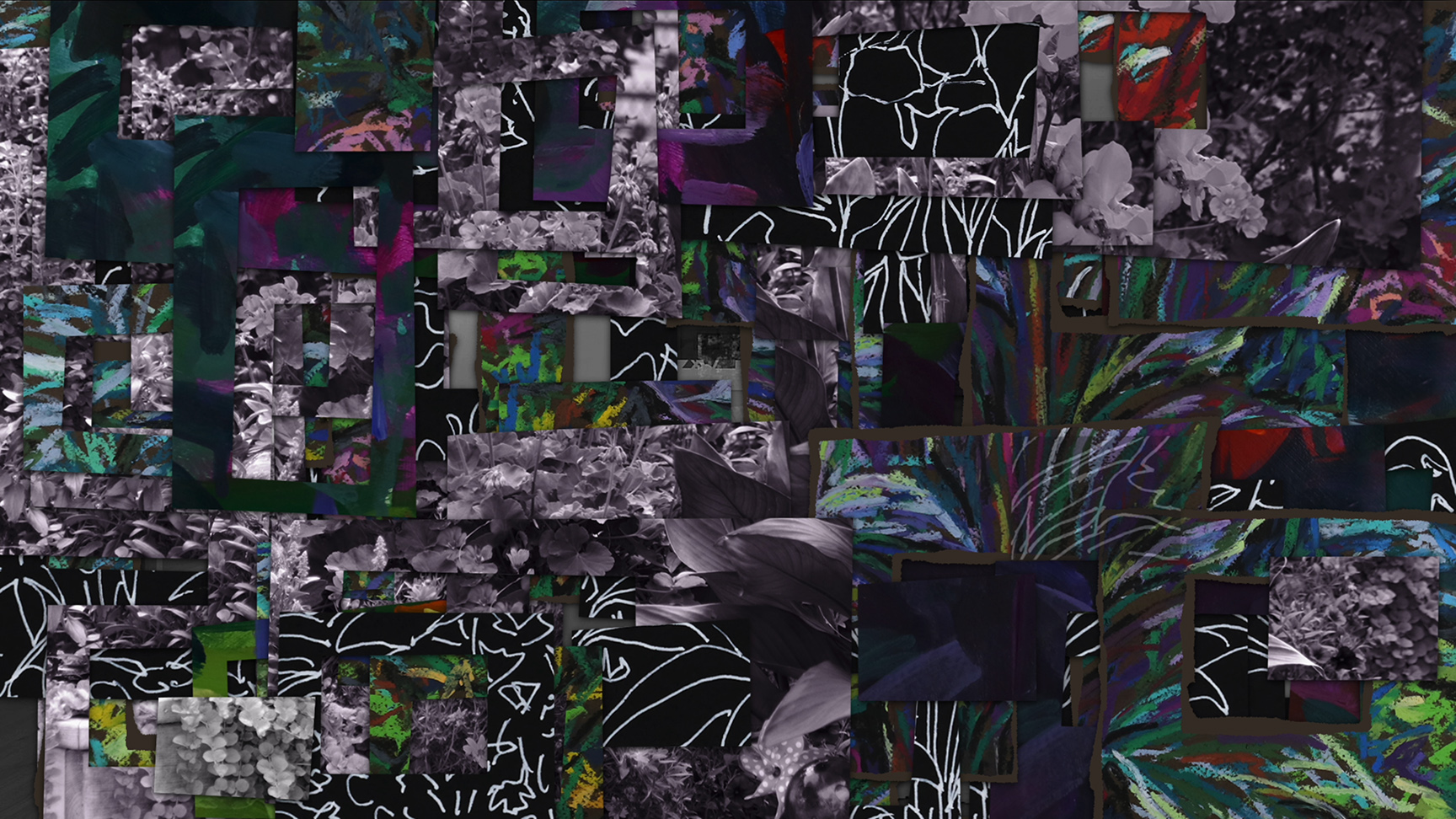
A new interactive digital collage fosters a sense of renewal and hope by bringing the materiality of drawing and painting into the virtual realm of code. Exploring the garden as a transformative heterotopia, a space that exists alongside our present reality, this work creates multiple sites: a physical space, a pictorial space, an imaginary space, a space of regeneration and active participation. A potent mix of organic, human and technological touchpoints comes together in a hybrid work, a responsive installation that evolves in real time.
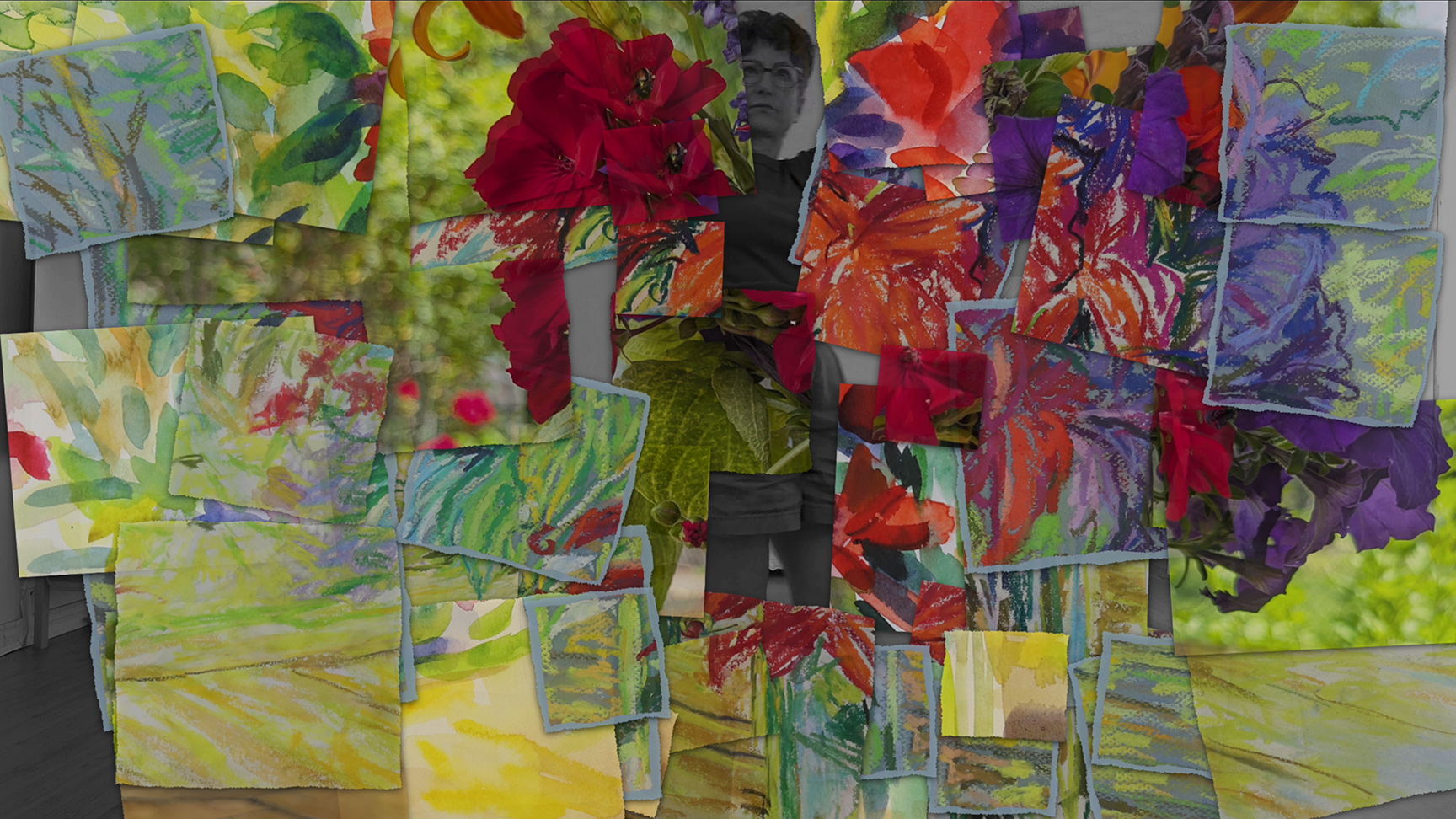
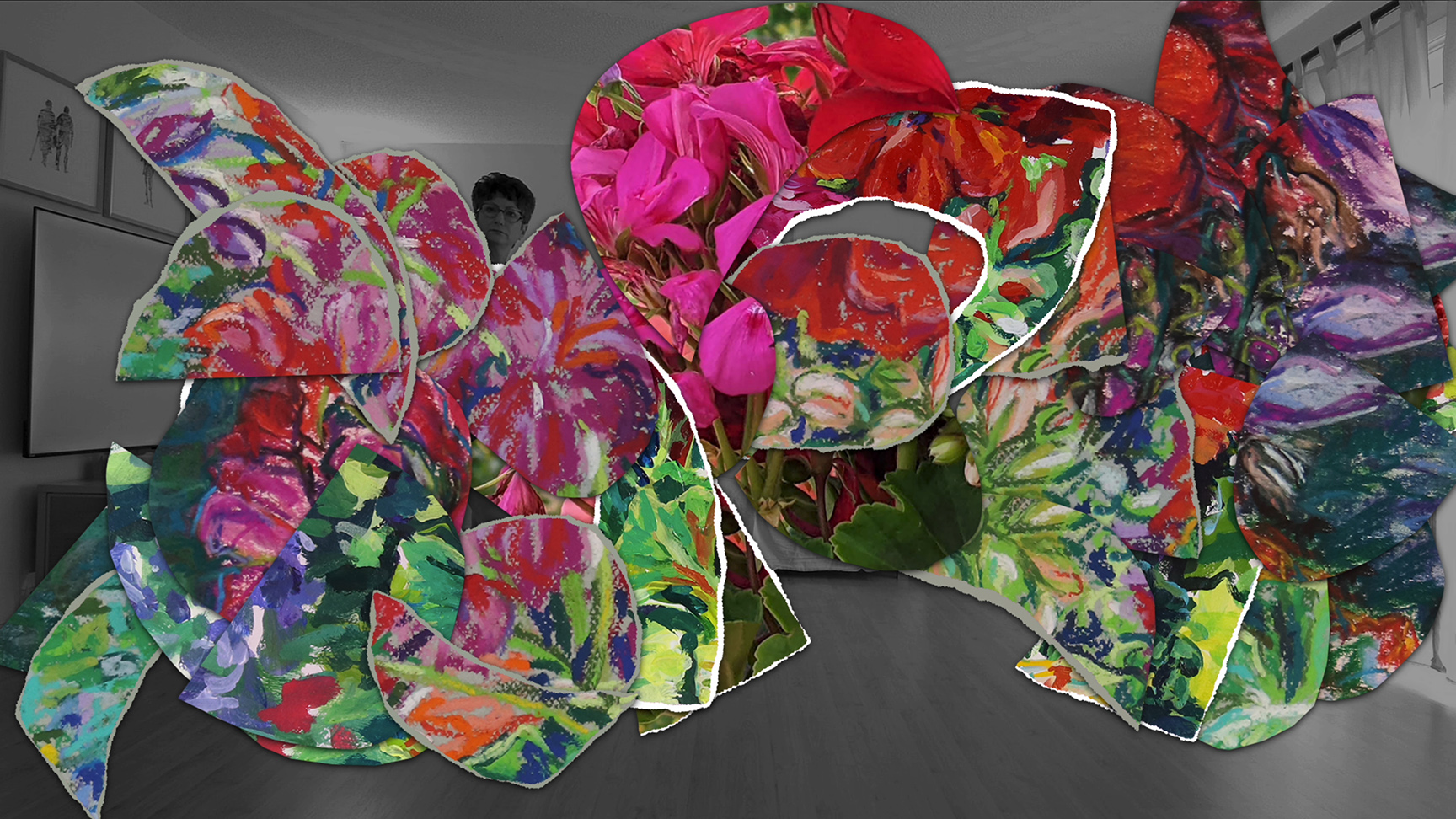
After many years working in the digital realm, I craved the immediacy of mark-making on paper. When I experimented with collaging together drawn and painted elements, exciting new visual combinations and disjunctures emerged from the torn edges. I was determined to bring this raw energy into my code-based artistic practice by introducing the unique characteristics of physical art media to the infinite possibilities offered by computing: interactivity, constant transformation, and the incorporation of chance. In an era of legitimate concern about the uses of code and technology, here they are harnessed for the creation of beauty, hope, and a connection to the handmade. AI (specifically, a machine learning library) is used for human pose estimation, enabling the work to respond to viewers’ presence and movements; the coded algorithms are designed to create lyrical visual juxtapositions, fueled by viewers’ actions.
While offering a source of joy and solace, the garden as subject matter also speaks to mortality and the continuous cycles of birth and death, growth and decay, presence and absence, and the passing of time. Many parallels can be drawn between computational art and the act of gardening. Like the ongoing life cycle of the garden, computational artwork is generative, infinitely iterating and varying within a basic structure. Artist and gardener both employ ‘controlled randomness’ when aspiring to a dynamic balance between order and chaos, between intentional design and the excitement of unexpected metamorphosis.
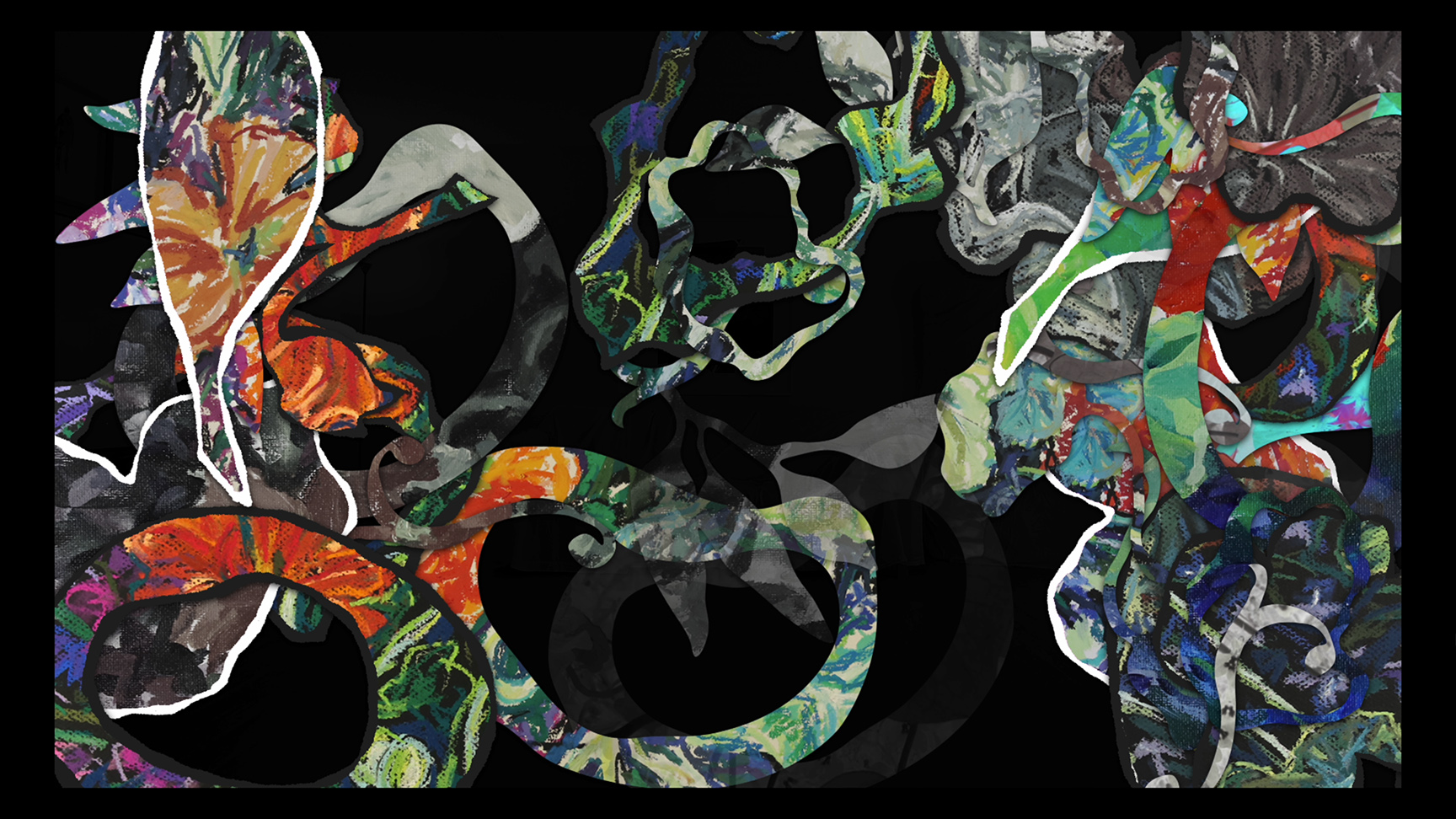
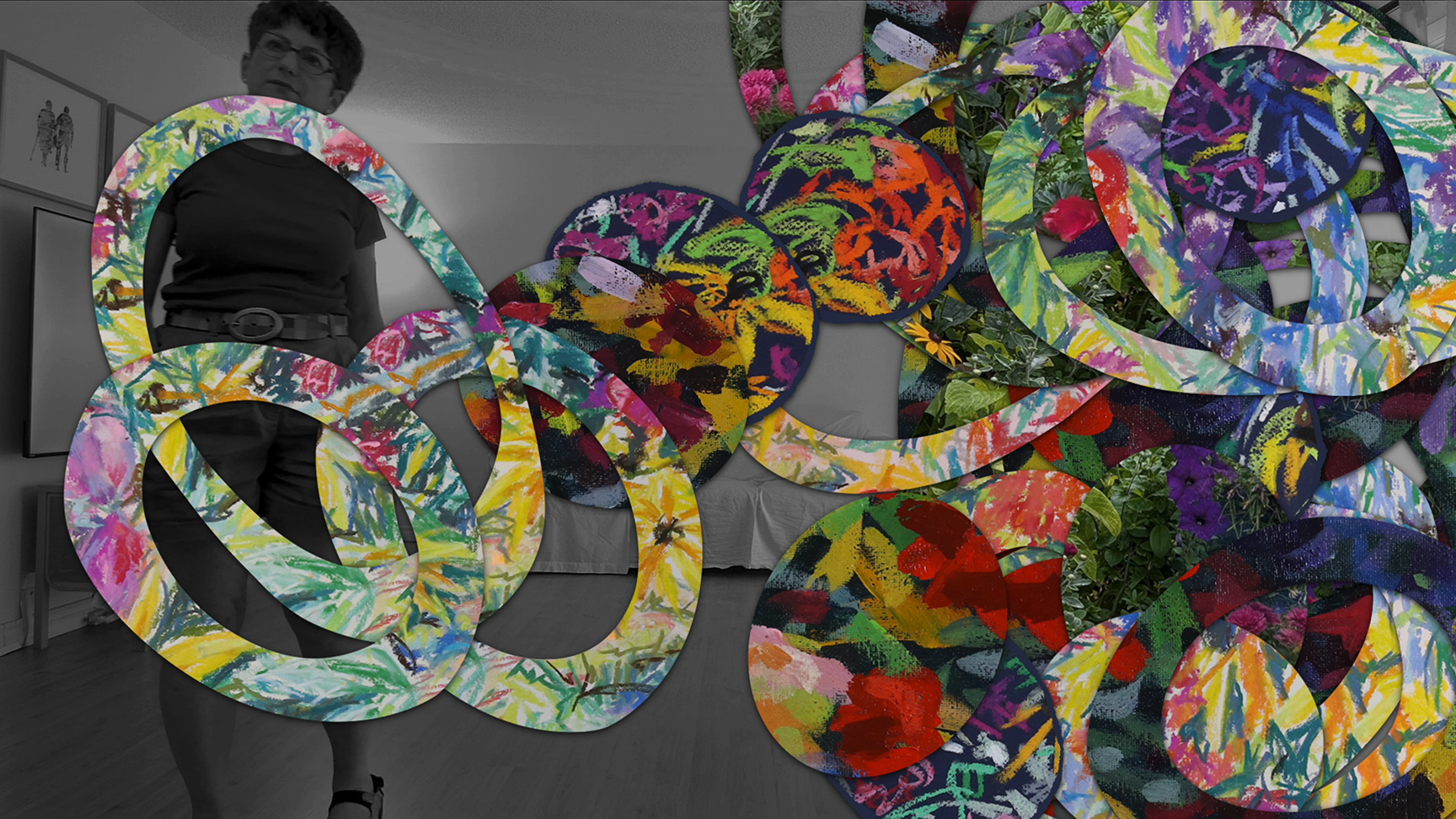
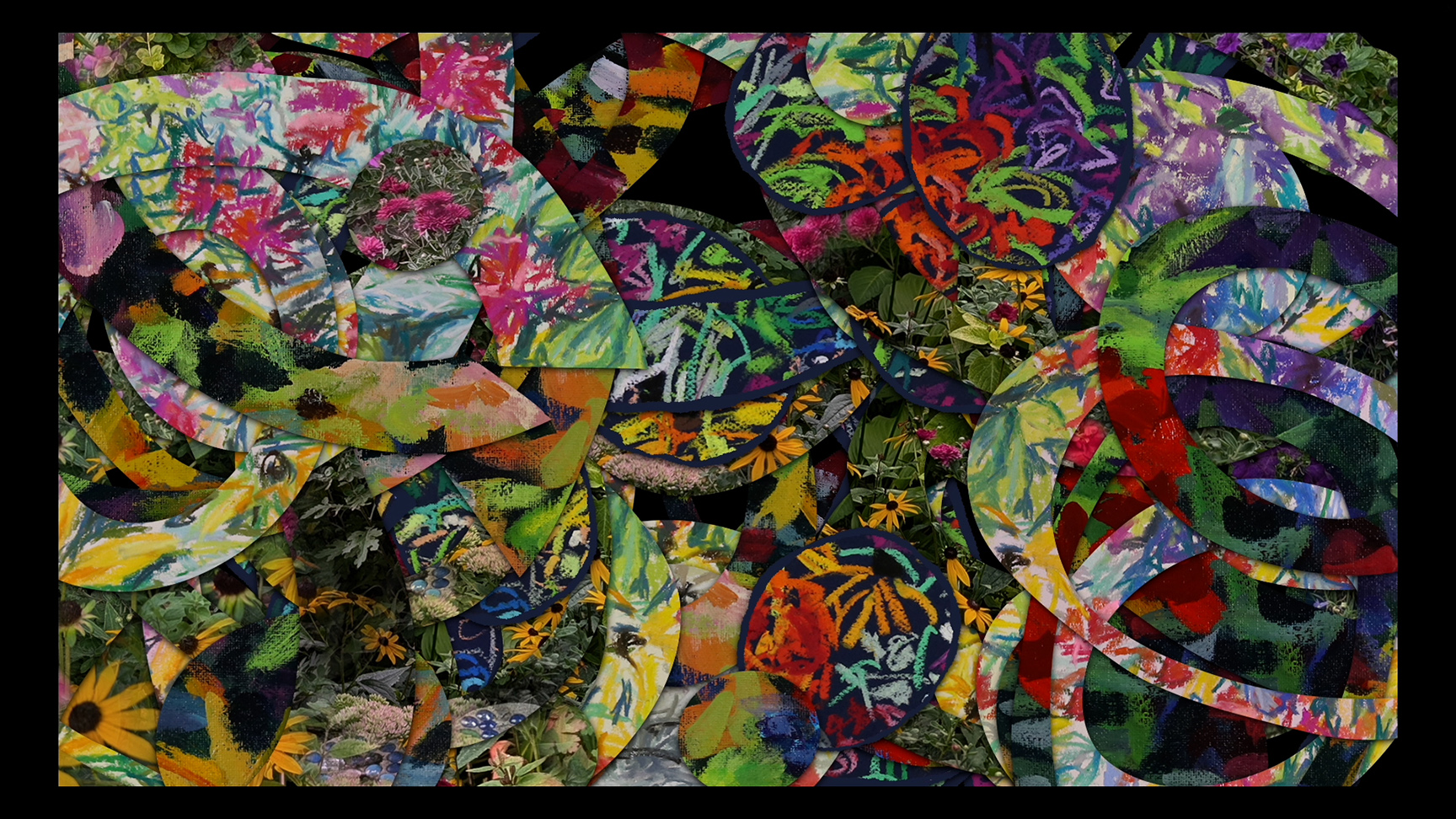
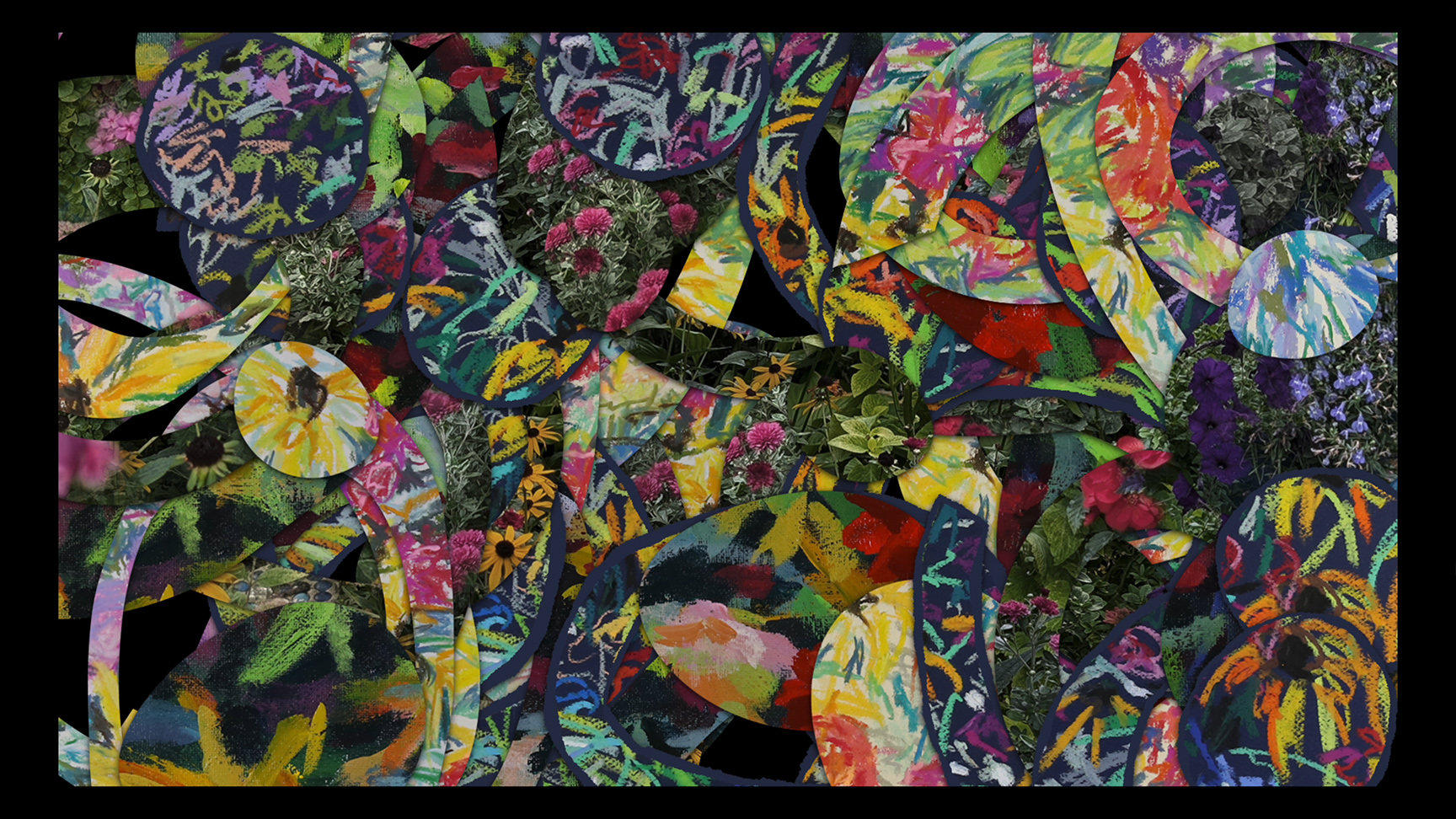
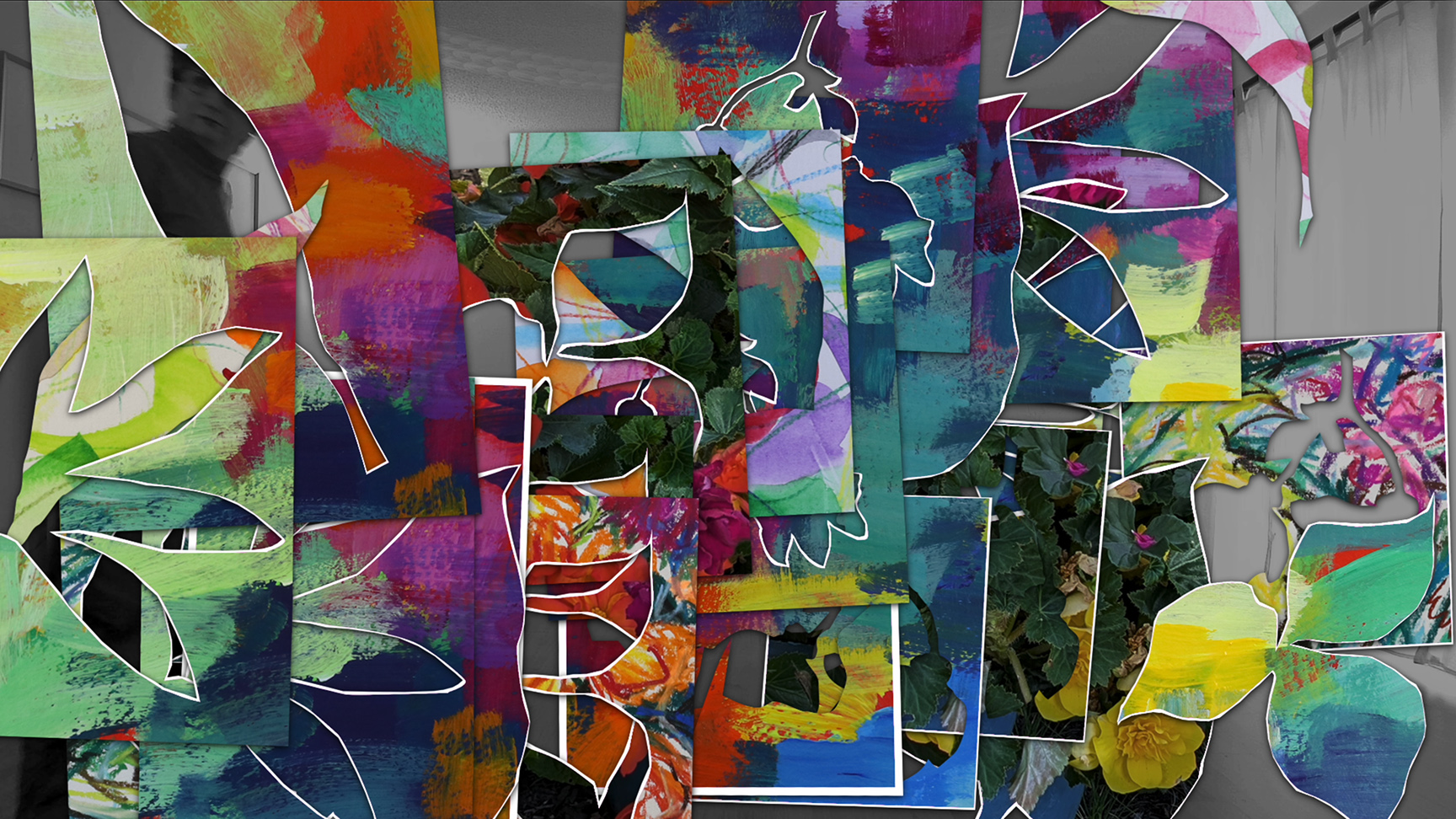
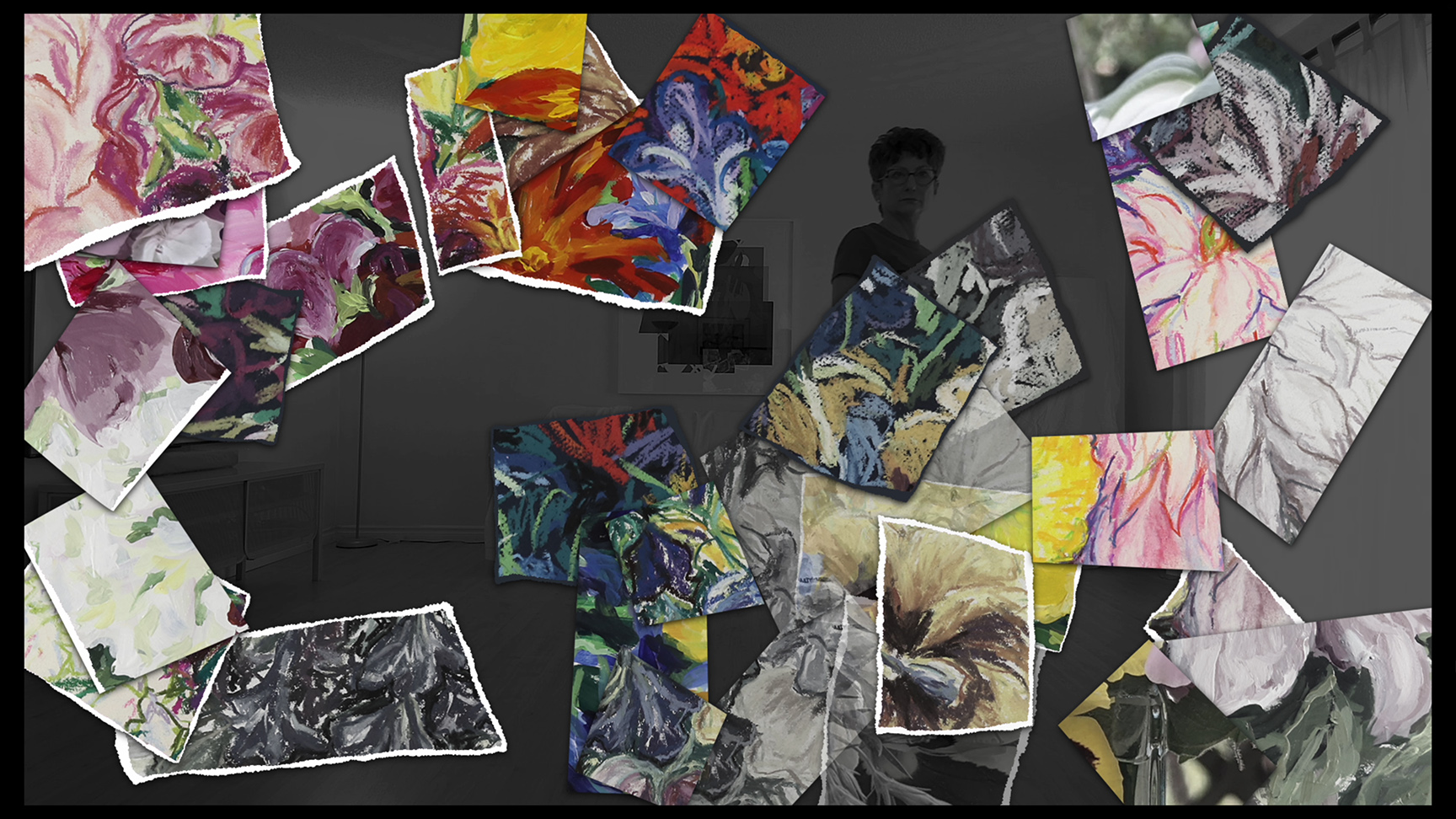
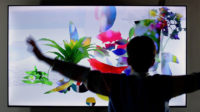
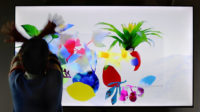
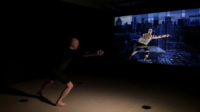
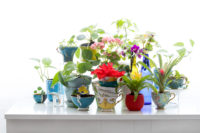
Keenly observed scenes from my garden, each view captured in several art media, are never seen in their entirety. Rather, they are fractured into collage pieces and recombined to create newly imagined reconstructions against a greyscale backdrop of the camera’s view of the room and anyone in it. Viewers are invited to become part of this creative act; in fact, it is their presence that brings the work to life. When no one is present, a few greyed collage fragments appear randomly onscreen over the mirrored view of the surrounding space; however, as soon as a person enters, colourful, lively imagery is revealed according to the participant’s movements. The opposing forces of growth and decay are conveyed in the work by contrasting rich colours and desaturated tones, and in the appearance and eventual fading away of collaged shapes. Each composition that builds up, decomposes, and rebuilds anew is unique in combination and placement. Once a composition has coalesced, it is framed and frozen for a brief moment of completion before desaturating and beginning to disappear, at which point a new scene of diverse pieces begins to develop. Building connections across fragmentation and disjunction seems an apt metaphor for what is needed and sadly missing in our fractured world today. This work imagines new directions growing out of our current time and place.
I continue to experiment with more varied approaches to imagery. Future plans include situating the installation in outdoor and public sites, and screen-recording dance and movement artists while they explore the installation, to further heighten the contrast between the imaginative, pictorial space created within the work, and the real space that is reflected in the background.